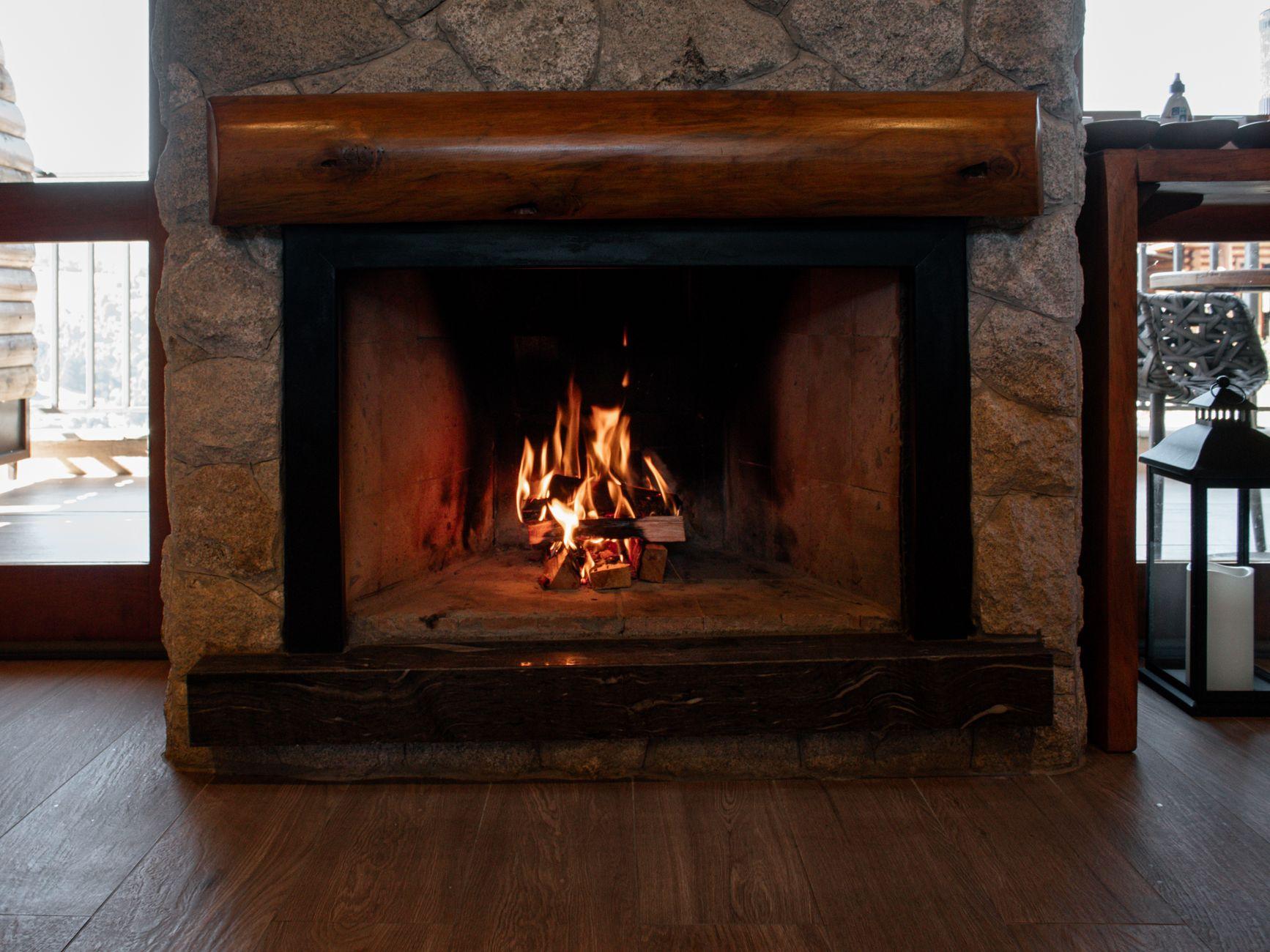
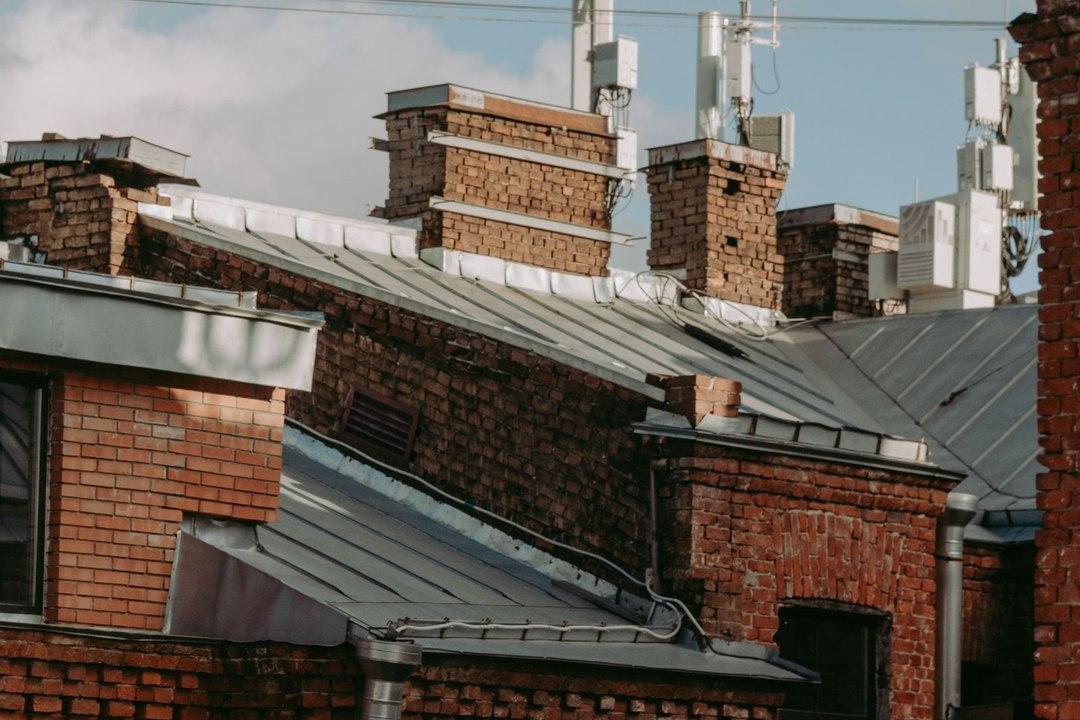
A stainless liner is usually the largest single bill a flue will ever produce, and the price swings more than most chimney work. Owners in Maywood, Downey and South El Monte often get two quotes that sit thousands of dollars apart and cannot tell which one is honest. This page explains what drives a liner price at Hayward Chimney Pros, why we do not print a flat number for it, and what you should see on paper before anyone feeds metal down your chimney.
Why a liner gets priced after the camera, not before
We publish prices for the jobs that repeat closely from house to house. A liner does not. Two chimneys that look the same from the street can hide flues of different sizes, different heights and different shapes, and the camera is the only way we know which one we are dealing with. So the first money spent is the Level 2 scan at $370, which records the full height of the flue and every tile joint the camera passes.
That footage does two jobs. It tells you whether you need a liner at all (some cracked flues can be repaired in place, others cannot), and it gives us the measurements a liner quote is built on. A quote written without it is a guess, and guesses on liners tend to grow once the work starts.
What the camera measures that sets the price
These are the things we read off the scan and the roof visit. Each one moves the cost of a liner up or down.
| What we find | Why it changes the cost |
|---|---|
| Height from the appliance to the top of the stack | Liner is sold by the foot, and taller runs take more labor on the roof |
| Inside size of the old clay flue | A tight flue may need tiles broken out before a round liner can pass |
| Bends or offsets partway up | A flue that jogs sideways needs flexible liner and more care at the bend |
| What the liner will serve | A gas insert, a wood insert and an open fireplace each need a different diameter |
| Insulation needed for clearances | Some chimneys sit too close to framing and need the liner wrapped |
| Condition of the crown and top tiles | A failing top may need repair so the new cap and top plate can sit flat |
The appliance matters as much as the chimney. A liner is sized to the thing burning at the bottom of it, not to the hole it is going into. Older Maywood houses often have big clay flues built for an open wood fire. Drop a modern gas insert into one of those and the exhaust rattles around a space far too large for it, cools, and drafts badly. A liner matched to the insert's outlet fixes that, which is why we ask what you plan to burn before we size anything.
What a written liner quote from us lists
When we send a liner quote after the scan, it names:
- the liner type (flexible or rigid stainless) and the diameter, with the reason for that diameter
- the length in feet, measured from the scan
- whether tiles have to come out to make room, and how far down
- insulation, if the clearances need it, and where
- the top plate and the cap that close the system at the crown
- how the bottom connects: to an insert, to a gas appliance or to a smoke chamber
- any repair to the crown or the top of the stack that has to happen first
If a quote you are holding does not give you the diameter and the length, ask why. Those two numbers make up most of the material cost, and a contractor who has not measured them has not looked.
Once you have the scan, or if you already know the flue needs work, tell us in the quote form what is on the bottom of the chimney now and what you want there, and we set up the visit to measure.
Signs the scan will point to a liner
Owners usually book after one of these:
- a home inspector wrote that the flue tiles could not be assessed
- a sweep found pieces of clay tile on the smoke shelf
- the camera on an earlier visit showed cracked tiles or missing mortar between them
- you are putting in an insert, and the old flue is the wrong size for it
- the fireplace smokes into the room on calm days no matter how the fire is laid
Missing mortar in the joints is easy to underrate. On camera it shows as a dark gap between two tiles. Heat and smoke pass through it straight into the brick, and from the brick toward the wood around the chimney. Cracks matter for the same reason. One cracked tile high up is often the visible end of a problem that runs further.
Stainless or another fix?
A stainless liner is not the only way to repair a flue. Where the clay tiles are intact but some joints are open, a joint repair may be enough. Where the top few feet of the chimney are damaged, rebuilding that top section and fitting new clay tiles can be the better use of money. We compare these in stainless liner or new clay tile. The scan is what tells us which repairs are realistic for your flue, and the quote says why we chose the one we did.
What a liner does not cover
A liner fixes the inside of the flue. It does not fix a leaking crown, rusted flashing, or loose brick above the roof. If the scan shows those too, they are listed as their own items so you can see what each costs. We would rather show you a longer list than reline a flue under a crown that will let water down the outside of the new metal.
Liners in the rest of our area
We line chimneys across Maywood, Downey, South El Monte and Los Angeles. The work is the same everywhere. What changes is the chimney: tall two story stacks, short ranch chimneys, and older houses whose flue size was set by a fire nobody lights anymore.
For a straight answer on whether your flue needs metal and what it would cost, start on our contact page with the address and what you want to burn.
Want Your Own Flue on Camera?
Hayward Chimney Pros films chimneys from Maywood out to Downey, South El Monte and Los Angeles. A Level 2 shows every joint, and the report marks each defect by depth.