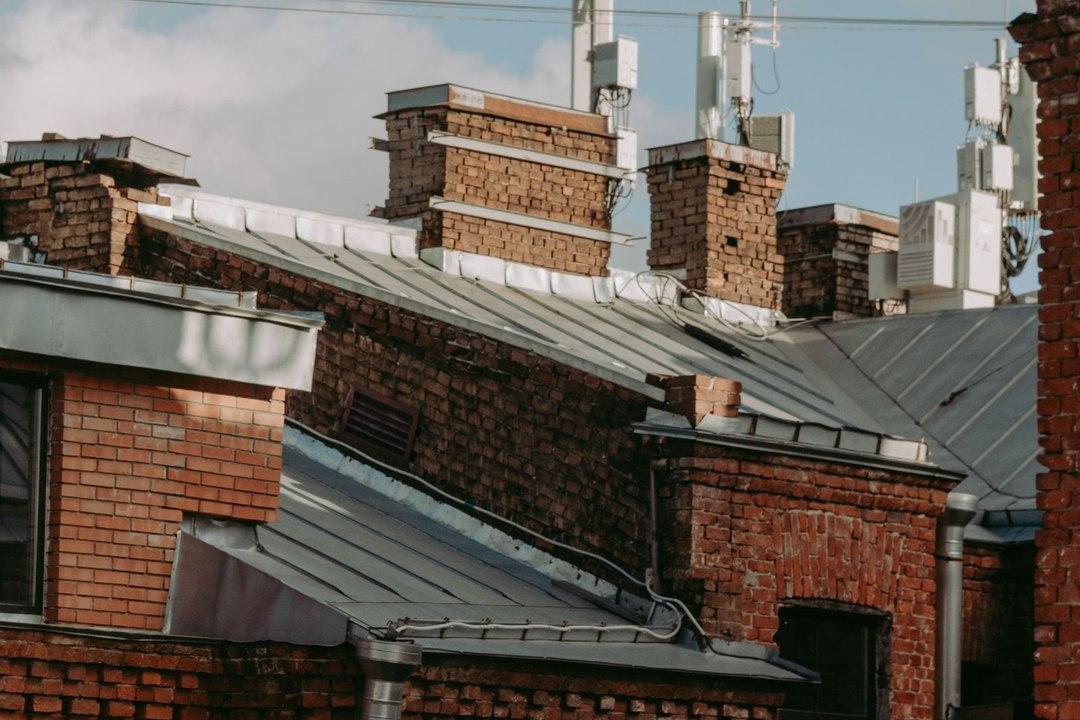
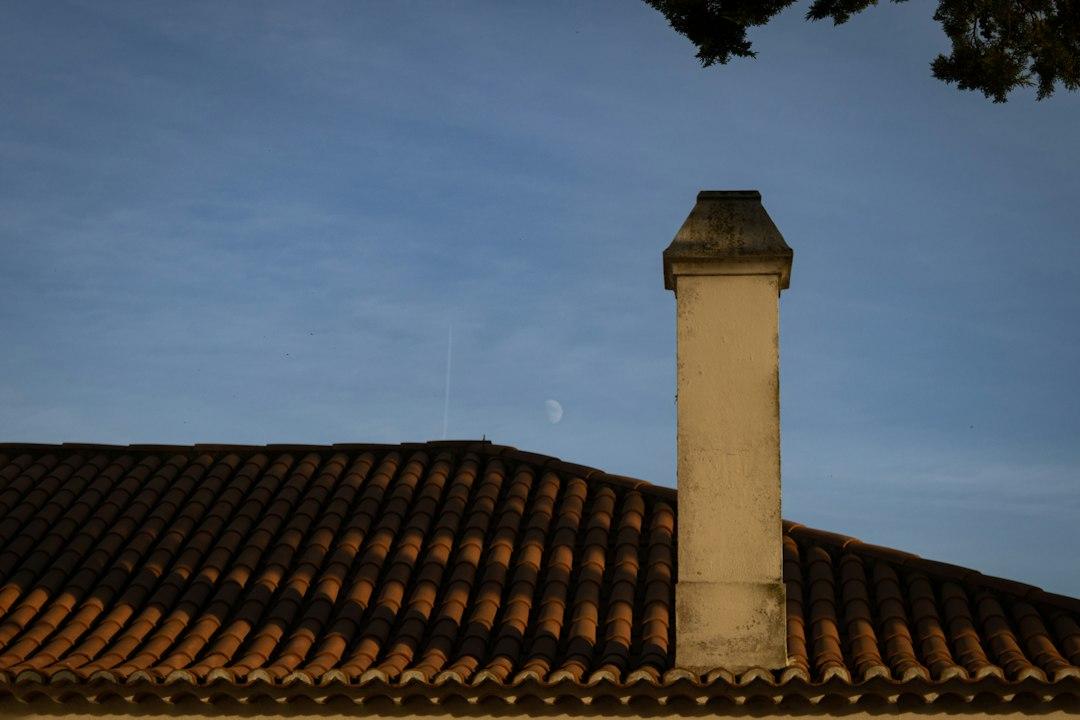
Picture the inside of a clay flue on a monitor: a square tube of orange tile, a ring of mortar every two feet, and a camera head climbing through it with its own light. That picture is what a buyer in Maywood is paying for when they order a Level 2 before closing. This post walks through what shows up on that screen, what it means for a purchase, and how the findings become part of the deal.
Why buyers order the camera at all
NFPA 211, the standard most chimney work in the country follows, describes inspections at three depths. The middle one, Level 2, is the one it expects when a house changes owners. The logic is straightforward. You are about to own a structure that has been heated, cooled, soaked and shaken for decades, and nobody can tell you how hard it was used. The seller may not know either.
A general home inspector rarely carries a flue camera. Their report often says something like "chimney interior not visible" and moves on. That is a fair note, but it leaves you buying the inside of the chimney blind. Our Level 2 inspection costs $370 and puts the inside on record.
What the camera sees, from the bottom up
The smoke chamber. Just above the damper, the chimney narrows from the wide firebox to the flue. On camera, a healthy smoke chamber has smooth, sealed walls. A rough stair step of bare brick means it was never parged, and gaps there let heat into the brick.
The first tiles. The lowest flue tiles take the most heat. Look for cracks running up the tile, chips at the corners, and black, shiny deposits. Glossy tar this low tells us the fireplace was burned with damp wood or smoldering fires.
The joints. Every two feet the camera passes a seam. A good joint is a thin, even line. A dark gap, or a ledge where one tile sits off the line of the next, is a path out of the flue.
The middle run. On older brick chimneys this is where quake damage tends to hide. A row of tiles may be shifted sideways or cracked across the same line, which shows the stack once moved at that height.
The top. Near the crown we check whether the top tile is intact, whether rain has eroded the joints, and whether a cap keeps birds and leaves out. Debris and nests show up clearly on screen.
We also look at the stack from the roof and at the chimney where it passes through the attic. A stain on the attic framing beside a cracked tile is the kind of pairing that turns a note into a real finding.
How the findings land in your purchase
Every finding in our report gets a still frame, a location measured in feet, and a plain sentence on what it means. We sort them into what has to be fixed before the fireplace is used, what should be repaired soon, and what is normal wear.
What happens next is up to you and your agent. Common paths:
- Ask the seller to repair a specific item, using our wording and frame as the description
- Ask for a credit and handle the repair after closing
- Accept it because the finding is minor or you never plan to burn wood
- Walk away, if your contract still allows it and the finding is serious
We do not tell you which to choose. We give you a report that holds up when the other side reads it. For agents who want to see how we phrase findings, there is a page on plain language reports for agents.
Prices you can put next to the findings
Some fixes on a purchase have prices we publish, and some do not. Here is how the common findings line up.
| Finding on the scan | Price |
|---|---|
| The scan itself | $370 |
| Water getting in around or through the stack, found and sealed | $530 to $3,200 |
| Wide stack trapping water on the roof, diverter built | $425 to $960 |
| Same diverter plus new metal where stack meets roof | $640 to $1,600 |
| Missing or broken cap | quoted after we measure |
Cracked tiles, open joints, relining, a crown rebuild and a stuck damper have no fixed price; we write a quote for each once the scan shows the extent. Our liner cost guide covers what moves that number.
If you are in escrow now, put the address, your agent's name and who should get the report in the quote form, and we arrange entry through your agent.
When a Level 1 is enough
A Level 1 is a lighter look, $52, and fits a house where the fireplace has been in steady use and checked regularly. For a purchase we nearly always suggest the camera. The cost difference is small next to the cost of finding a cracked flue after the keys change hands.
Buying from far away
Many buyers in Downey, South El Monte and across Los Angeles are not in town for the inspection. That works fine; your agent arranges entry and the report comes to you. Our remote buyer page explains how.
When you are ready to see your future chimney from the inside, reach us on the contact page with the address and the people who need the report.
Want Your Own Flue on Camera?
Hayward Chimney Pros films chimneys from Maywood out to Downey, South El Monte and Los Angeles. A Level 2 shows every joint, and the report marks each defect by depth.